Indications:- Antihistamine drug

PCM + Dicyclomine HCL
SUSPENSION PRESENTATION:
Each ml contains:
Dicyclomine Hydrochloride IP 5 mg
Paracetamol IP 125 mg

Dicyclomine Hydrochloride is a synthetic tertiary amine antispasmodic. It is an anti cholinergic drug. It acts by blocking muscarinic receptors in smooth muscle of the stomach and intestine and relieves muscle spasm and cramping in gastrointestinal tract (GIT).
Dicyclomine inhibits gastrointestinal propulsive motility and decrease gastric acid secretion and controls excessive tracheal, pharyngeal, and bronchial secretions.
Paracetamol(PCM) also known as acetaminophen. It is Non steroidal anti-inflammatory drug and belongs to a group of medicines known as analgesics or pain killer. It is use to relieve mild to moderate pain and fever.
RATIONALE OF COMBINATION
Dicyclomine hydrochloride is an anti-cholinergic drug which controls the secretions of the body while paracetamol is an analgesic. Thus Dicyclomine HCL+ PCM combination used to treat running nose, common cold, flu, body ache, muscle pain.

This combination is used for:
- Antispasmodic
- Nasal allergy and Common cold
- Muscle pain
- Treatment of irritable bowel syndrome
- GI motility disturbance

Dicyclomine:
Absorption: Rapidly absorbed from the GI tract and attain peak plasma concentration in 1 hour.
Protein Binding: >99%
Half Life: 5 h
Initial Distribution Phase:1.8 h
Terminal Elimination Phase: about 9-10 h
Route of Elimination: Plasma concentration decline in biphasic manner. About 80% of a dose is eliminated in urine and about 10% in feces.
Paracetamol:
Absorption: It is readily absorbed from GI tract and achieves peak plasma concentration in 30 to 60 minute. But it is incompletely available to systemic circulation after oral administration due to first pass metabolism.
Protein Binding: 10-25%
Half Life: 2 h
Metabolism: It metabolism extensively by liver and to minor extent by intestine.
Elimination: Urine (85-90%)

- Dicyclomine is an anti-cholinergic drug. It shows a specific anticholinergic effect at the acetylcholine receptor sites and control body secretion (running nose).
- Dicyclomine decrease gastric acid secretion and controls excessive pharyngeal, tracheal and bronchial secretions by inhibiting gastrointestinal propulsive motility.

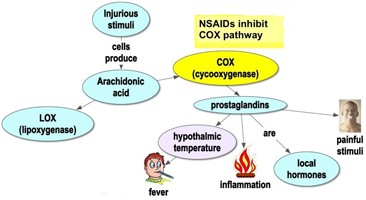 Paracetamol inhibits the prostaglandin synthesis and reduce the pain and inflammation within the body. Prostaglandins are pro-inflammatory chemicals normally produced by body due to tissue damage.
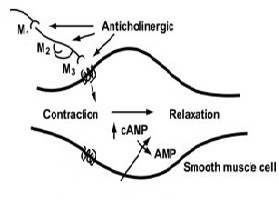 Dicyclomine is an anti-cholinergic drug, a medicine that reduces the effect of acetylcholine, a chemical released from nerve that stimulates muscles, by blocking the muscarinic receptors.
Dicyclomine acts by two mechanisms:
1) a specific anti-cholinergic effect
2) a direct action on smooth muscle
It causes bronco dilation and decrease respiratory tract secretion.

Drugs which increase side effects of Dicyclomine:
- Antiarrhythmic
- Antihistamine
- Benzodiazepines
- Phenothiazines
- Nitrates
- Tricyclic antidepressant
Dicyclomine decrease effectiveness of
- Phenothiazines
Dicyclomine increase side effects of
- Digoxin
Drinking alcohol increases the side effects of Dicyclomine.
| Drug | Interactions |
| Amantadine | Increased anticholinergic effects |
| Antacids | Decreased GI absorption of Dicyclomine |
| Anti arrhythmic agents, class 1(quinidine) | May increase certain actions or adverse effect of Dicyclomine |
| Anti-cholinergic drugs | Increased anticholinergic effects |
| Antidepressants (Tricyclic) | May increase certain action or ADRs of Dicyclomine |
| Antiglaucoma agents | Dicyclomine may antagonize the effects of antiglaucoma agents |
| Antipsychotic agents | May increase certain action or ADRs of Dicyclomine |
| Benzodiazepines | May increase certain action or ADRs of Dicyclomine |
| Corticosteroids | Increased IOP |
| Digoxin | Increased serum digoxin |

- Blurred vision
- Allergic reaction
- Constipation
- Loss of taste
- Hallucination
- Convulsions
- Dry mouth
- Nervousness

- Dicyclomine can pass into breast milk and can cause breathing problem or life threatening side effects. Do not breast feed while taking this medicine.
- Dicyclomine should not be given to a child younger than 6 months.
- Contradicted in Glaucoma and Myasthenia gravis patients.
- Obstructive disease of the gastrointestinal tract.
- Sever ulcerative colitis.
- Reflux esophagitis.

- To avoid side effects of Dicyclomine, start medication with low dose.
- Shake well before use.

Dicyclomine hydrochloride oral solution may produce drowsiness or blurred vision. The patient should be warned not to engage in activities requiring mental alertness, such as operating a motor vehicle or other machinery or performing hazardous work while taking this drug.